My generation was well aware of the fact that “Born in the U.S.A.” was the most misinterpreted song in music history. [Just read the lyrics, ok?] The 1980s was a good time for musicians to contrast the superficiality and empty nationalism of the Ronald Reagan era with genuine truth. “Born in the U.S.A.” became an anthem of that empty nationalism because of course it did. And the people who created it knew it would. The album’s producer claimed the LP could contain “Born in the U.S.A.” and nothing else and still reach platinum.
So how did Bruce Springsteen come up with “Born in the U S.A.?” It was the title of a screenplay for movie he was supposed to make with Robert DeNiro. The Boss never read the script; he just liked the title. And why were the lyrics deliberately chosen to offset the jingoism and misplaced nationalism of the era? We will never know; the film wasn’t interested in that question.
In fact, Springsteen: Deliver Me from Nowhere was interested in next-to-nothing about the entire album which would, in 1984, launch Bruce Springsteen from successful artist to national treasure. To hear it from this perspective, Bruce was pre-embarrassed about the wild success to come and would rather have avoided it altogether. This film catalogs the life of Bruce Springsteen (Jeremy Allen White) from 1981 to 1982, a time in which Bruce would write the album that would immortalize him in human existence. And after writing that album, he abandoned it like Cosby fans circa 2006.
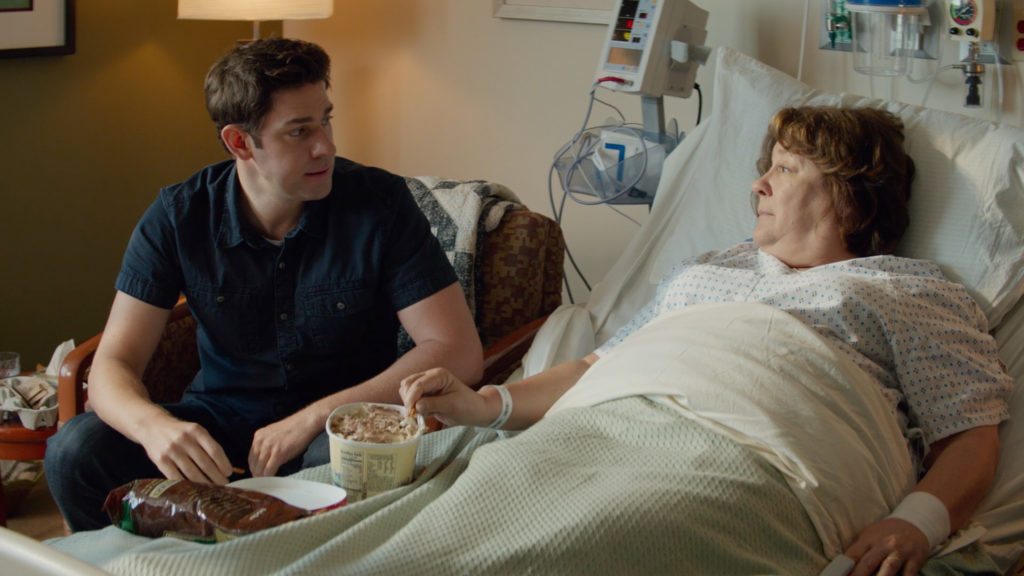
So if Bruce doesn’t want to talk about the stuff that would make him a legend, what did the movie want to say about 1981 Bruce Springsteen? Well … writer/director Scott Cooper focused on three things: 1) Bruce Springsteen’s love/hate relationship with his father. 2) His tepid romance with divorced mom Faye Romano (Odessa Young), and 3) a televised rerun of Badlands, which inspires Bruce to write a song about serial killer Charles Starkweather. That song and very personal album becomes Nebraska, released in 1982.
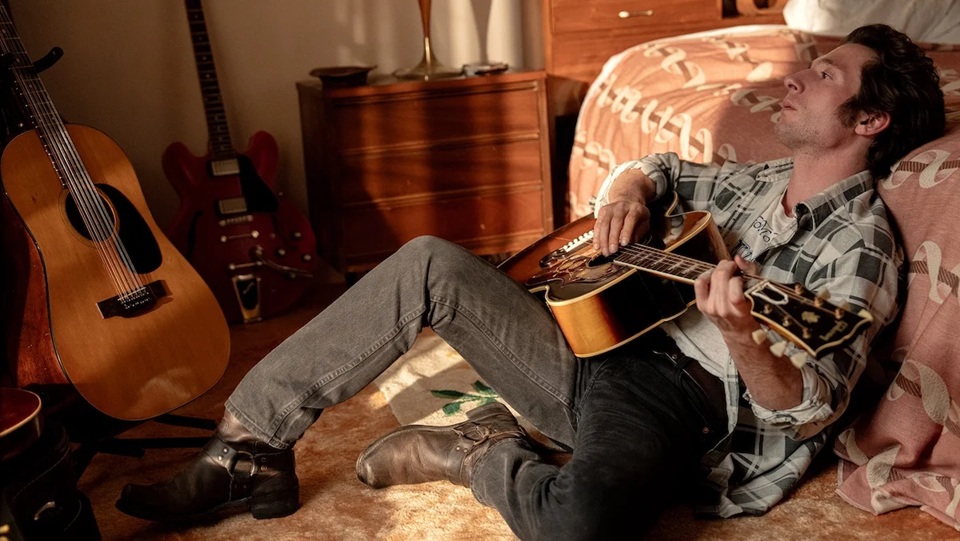
The film followed a very somber, introspective path. I have no idea what inspired Bruce to write “Glory Days”, “Cover Me”, or “Dancing in the Dark,” but I got a good idea of why and how he wrote “Atlantic City” and “I’m on Fire.” What impressed me most about these songs was not how or why Bruce wrote them but the lengths Bruce went to achieve the acoustic sound he recorded in his bedroom and how much more he prized the album Nebraska over the one that would make him a legend.
This is my impression of this biopic: ”On the one path, there’s a plate of spinach. It’s good for you. Eat it. On the other path, there’s a pizza party with ice cream, 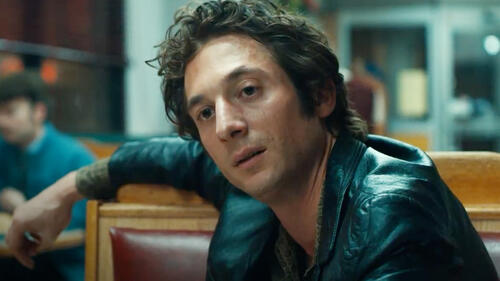 cake, and amusement park rides. You don’t get this until you eat your spinach.”
“Fine, I’ve eaten the spinach; where’s my roller coaster?”
“Sorry, that’s another film.“
Grrrrrrr.
I understand the artistic need to portray a troubled artist as a troubled artist … but you kinda left out the part where he isn’t so troubled any more.
This is gonna seem weird, but Jeremy Allen White doesn’t remind me much of the real Bruce Springsteen. And it’s not because he doesn’t sound or sing like Bruce; he definitely does. He just doesn’t have the presence of Bruce, which is an odd thing to say about an actor. Usually it’s the other way around. And White spends almost every conversation leaning his head to one side like a confused dog. I don’t know enough about the real Bruce Springsteen to know if this is spot-on or anomalous, but I kept wanting the man to sit up, you know, like a BOSS. This wasn’t a terrible biopic from technical or emotional standpoints; I just didn’t like the focus or the portrayal.
A legend to us known as “THE BOSS”
Once had his own bear to cross
Recording from inside
The hits he must hide
For there’s fame over which we must gloss
Rated PG-13, 119 Minutes
Director: Scott Cooper
Writer: Scott Cooper, Warren Zanes
Genre: Another mediocre biopic
Type of being most likely to enjoy this film: “THE BOSS!!! WOO!!!”
Type of being least likely to enjoy this film: “the film. Woo.”